
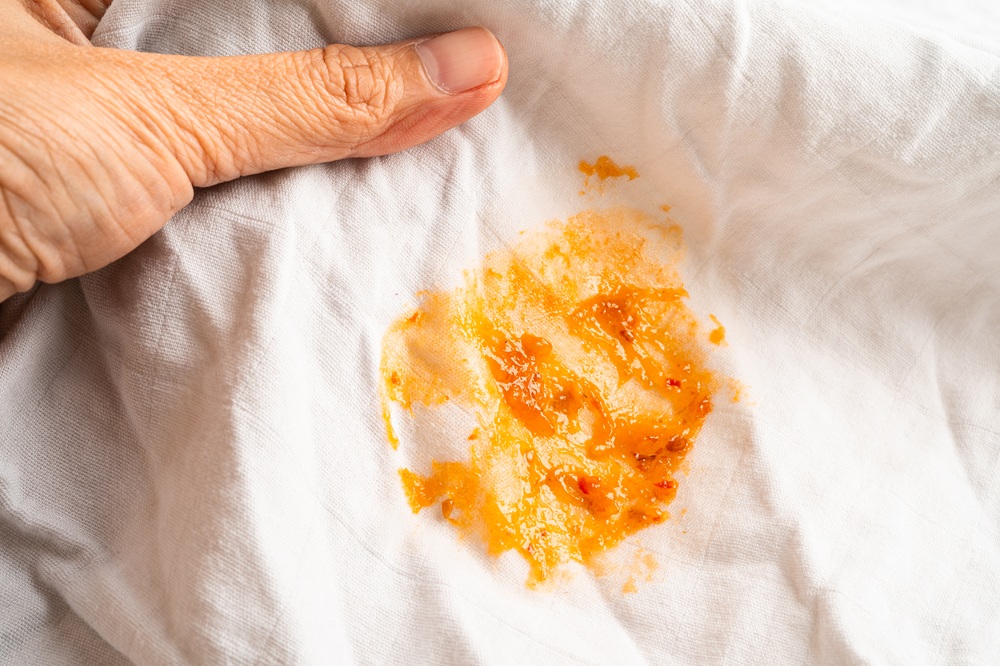
Two stains can start the same but end very differently depending on how quickly they’re addressed. In the early stages, most spills remain on the surface of the fabric and are easier to lift. As time passes, however, that stain can dry, oxidize, or bond with fibers, making removal more difficult and sometimes permanent, which is why time is usually the deciding factor.
So what happens during the waiting period that makes stains harder to remove? Understanding that progression helps explain why timing plays such a critical role in stain care. In this post, we explain how fresh spills differ from set-in stains and how professional dry cleaning can address both.
Keep reading until the end!
What Happens Right After a Spill Occurs
When a spill first happens, the stain hasn’t fully “become part of the fabric” yet. At this stage, most liquids remain on the surface of the fibers or are just beginning to seep into them. This early window is when stains are most responsive to proper treatment, because the fabric hasn’t absorbed or locked in the substance.
Understanding what happens in those first moments explains why timing is critical to stain-removal success. To see why this matters, it helps to break down how fresh spills behave on fabric.
How Liquids Interact With Fabric Initially
Right after a spill, the liquid hasn’t fully penetrated the textile structure.
- The spill spreads outward across the surface
- Fibers begin absorbing moisture slowly
- Gravity and fabric weave affect how fast it moves
- Thicker fabrics may slow absorption slightly
Why Fresh Stains Are More Responsive
At this stage, the stain is still chemically “loose.”
- Particles haven’t bonded tightly to fibers
- Colorants remain closer to the surface
- Less residue has settled into the weave
What This Early Stage Means for Removal
Because the stain hasn’t yet set, professional cleaning is more likely to lift it fully.
- Less aggressive treatment is needed
- Fabric stress can be minimized
- Color and texture are easier to preserve
How Stains Change as They Sit Over Time
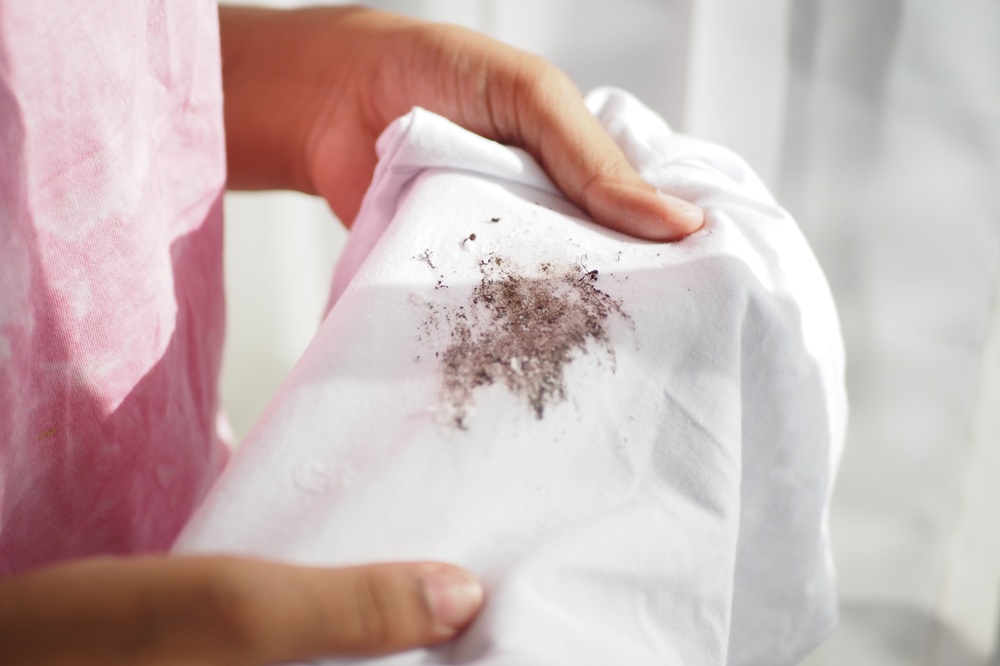
Over time, stains behave very differently. As moisture evaporates, the remaining substances concentrate and settle deeper into the fabric. Chemical reactions also begin to take place, especially with foods, drinks, oils, and bodily soils. These changes explain why a stain that looked minor at first can become stubborn days or weeks later.
Drying Pulls Stains Deeper Into Fibers
As the liquid dries, it doesn’t simply disappear.
- Evaporation leaves behind residue
- Remaining particles sink further into the weave
- Stains become less visible but more embedded
Oxidation Alters the Chemistry of the Stain
Many common stains undergo chemical changes when exposed to air.
- Sugars darken and yellow over time
- Oils break down and spread
- Organic stains become more complex
Absorption Makes Stains Harder to Lift
Once fibers are fully stained, removal becomes more difficult.
- Fibers swell and trap residue
- Color binds more tightly
- Repeated washing becomes less effective
Why Heat and Storage Make Stains Harder to Remove
Heat and storage don’t just preserve stains; they actively lock them in. Everyday actions meant to “deal with laundry later” often cause permanent damage without visible warning signs. Once heat or pressure is introduced, many stains shift from removable to fixed. The table below explains how common household habits affect stain outcomes.
| Heat or Storage Source | What Happens to the Stain | Long-Term Impact |
| Dryer | Heat accelerates bonding between stain and fibers | Stain becomes baked into the fabric |
| Iron | Direct heat and pressure seal residue | Permanent setting occurs instantly |
| Closet storage | Darkness allows oxidation to continue | Yellowing develops over time |
| Folded storage | Pressure pushes the stain deeper | Shape and color distortion |
| Laundry hamper | Moisture and heat stay trapped | Odors intensify, and stains spread |
What Professional Cleaners Can Do for Set-In Stains
Professional dry cleaners have tools, training, and processes that go far beyond home laundering, but transparency is important. Set-in stains can often be improved, though not always fully erased. Results depend on stain type, fabric, and prior exposure to heat or DIY treatments. The table below outlines what professionals can realistically address.
| Professional Capability | How It Helps | Limitations to Understand |
| Fabric and stain analysis | Identifies stain chemistry and fiber type | Some damage may already be permanent |
| Targeted solvents | Break down specific residues | Not all stains fully dissolve |
| Controlled cleaning methods | Reduces fabric stress | Aggressive treatment isn’t always safe |
| Repeated treatments | Gradual improvement possible | Results vary with stain age |
| Expert judgment | Prevents further damage | No ethical cleaner guarantees removal |
How to Improve Stain Removal Results Going Forward
While not every stain is preventable, better habits can dramatically improve outcomes. Simple, informed actions right after a spill and restraint afterward make a measurable difference. The goal isn’t to fix stains at home, but to prevent them from getting worse before professional care. A few smart steps can preserve both fabric and appearance.
What to Do Immediately After a Spill
The right first response matters.
1. Blot gently, never rub.
2. Use a clean, dry cloth.
3. Lift as much liquid as possible.
What to Avoid at All Costs
Well-intentioned fixes often backfire.
- Avoid heat of any kind.
- Don’t apply random household products.
- Skip stain sprays unless directed by professionals.
Why Prompt Professional Cleaning Matters
Time remains the most important factor.
- Faster treatment means better results.
- Less aggressive methods are needed.
- Fabric integrity is better preserved.
In stain care, speed and restraint work together. Quick action without overcorrection delivers the best outcome.
Before a Fresh Spill Turns Into a Long-Term Problem, Visit Martinizing Cleaners for Expert Stain Care
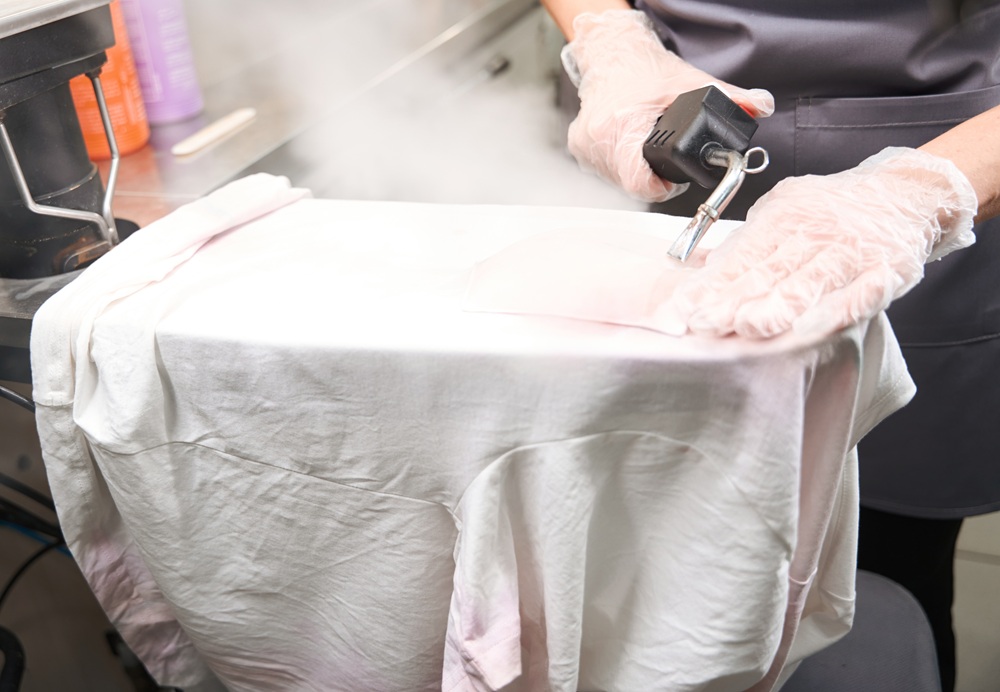
If a spill just happened, your window for the best results is now. Let Martinizing Cleaners step in before time, heat, or storage turn a small accident into a long-term problem.
Our team carefully inspects every item to identify both visible and hidden stains, then gently cleans using advanced, fabric-safe techniques designed to protect color, texture, and structure. Each garment is hand-finished for a flawless look, packaged with care, and returned to you ready to wear.
We make expert stain care easy with our exclusive, FREE Pickup and Delivery Service throughout Danville, Alameda, and all of our service areas. With eco-friendly dry cleaning delivered to your door and every service backed by a 100% satisfaction guarantee, you can trust your clothes are in experienced hands from start to finish.
Don’t wait for a fresh spill to become permanent. Call (925) 397-2225 or email martinizing@drycleaningca.com to schedule service and let Martinizing Cleaners handle your stain care the right way while the timing is still on your side.