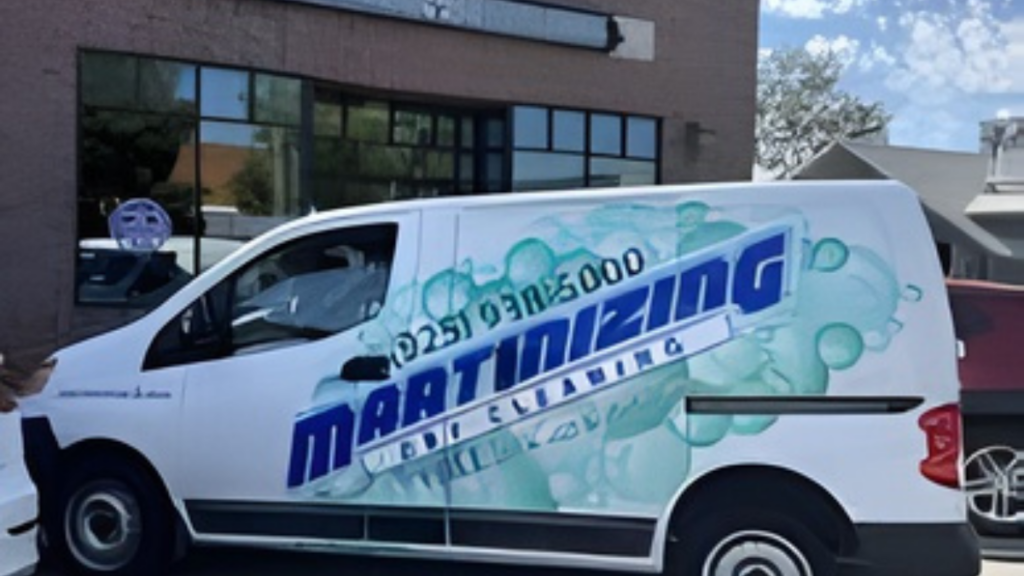

Category: Comforter Cleaning

  • Spring Cleaning at Martinizing Cleaners Almeda Ca

    Spring Cleaning at Martinizing Cleaners Almeda Ca

    Spring Cleaning Guide: Preparing Your Wardrobe & Home in Alameda

    The arrival of spring in the East Bay is the perfect time for a fresh start. Beyond the traditional home deep-clean, this season is about the “Great Wardrobe Swap”—storing your heavy winter layers and preparing your lighter spring fabrics. Martinizing Dry Cleaners in Alameda is your local partner in making this transition seamless and stress-free.

    Properly store your winter clothes by calling Martinizing Cleaners Alameda Ca

    1. Refreshing Your Winter Wardrobe Before Storage

    Storing winter coats, wool sweaters, and scarves without professional cleaning is a common mistake. During the cold months, fabrics collect body oils, hidden food stains, and environmental pollutants that aren’t always visible. If stored “dirty,” these organic materials set into the fibers, causing permanent discoloration and attracting moths.

    Professional cleaning removes:

    • Body Oils & Odors: Prevents yellowing and stale smells during the off-season.
    • Hidden Stains: Targets sugar and beverage spills that turn brown over time if left untreated.
    • Pest Protection: Clean garments are significantly less likely to suffer moth damage.

    2. Rotating in Your Spring Wardrobe

    Spring fashion calls for breathable fabrics like linen, silk, and fine cotton. These materials wrinkle easily and often require expert pressing to look their best after being folded away for months.

    Our Spring Preparation includes:

    • Professional Steaming: We remove deep-set storage wrinkles from dresses, blouses, and trousers.
    • Delicate Fabric Care: Our eco-friendly solvents protect the integrity of light spring colors and thin fibers.
    • Ready-to-Wear Results: Imagine pulling a crisp, polished outfit from your closet that is ready for a weekend at Alameda’s South Shore.

    3. Deep Cleaning Winter Bedding & Household Textiles

    Spring cleaning should extend to the textiles that kept you warm all winter. Heavy duvets and wool blankets harbor dust mites and allergens. While home machines often struggle with the bulk of a down comforter, our professional equipment ensures a thorough, hygienic clean.

    Items we handle with care:

    • Down Comforters & Duvets: We ensure items are 100% dry to prevent mold growth during storage.
    • Wool Blankets: We prevent shrinkage while maintaining the softness of the fibers.
    • Seasonal Linens: Perfect for refreshing table runners and napkins for spring hosting.

    4. Expert Alterations & Stain Removal

    Spring is the season of weddings, proms, and graduations. If your favorite formal wear needs a quick fix or a better fit, our on-site tailoring services are here to help.

    • Tailoring: Hemming pants, adjusting waistlines, or repairing tears.
    • Advanced Stain Removal: We treat wine, coffee, and oil-based stains that home washing can’t touch.
    • Hardware Repair: Replacing missing buttons or fixing stubborn zippers.

    5. Streamline Your Schedule: Pickup & Delivery

    With school activities and outdoor events filling your calendar, laundry shouldn’t hold you back. Martinizing Dry Cleaners offers convenient services designed for busy East Bay professionals and families.

    • Same-Day Service: In by Noon, out by 4:00 PM (Monday–Friday).
    • Free Pickup & Delivery: We serve your home or office throughout Alameda and the surrounding East Bay.
    • The Martinizing App: Schedule your service and track your order right from your phone.

    Visit Martinizing Dry Cleaners in Alameda

    Support local and experience the difference of a trusted neighborhood cleaner. Since 1989, we have helped the East Bay look and feel its best.

    • Location: 2210 S Shore Center, Alameda, CA 94501
    • Store Hours:
      • Mon – Fri: 7:00 AM – 7:00 PM
      • Sat: 8:00 AM – 6:00 PM
      • Sun: 10:00 AM – 5:00 PM
    • Contact: Call or text (510) 523-7520 to schedule your free pickup.
  • Check This Before You Dry Clean Your Comforter

    Check This Before You Dry Clean Your Comforter

    If it were solely up to you, would you be able to determine right away if your comforter needs dry cleaning, or if it’s actually better suited for a different method? Most people wouldn’t, and that’s perfectly understandable.

    Comforters are made with delicate stitching, specialty fabrics, and various fillings that require specific handling. When those needs aren’t considered, the results can be disappointing. Yes, dry cleaning comforters can work wonders for certain materials, but it can just as easily ruin others if you skip a few key checks.

    So before you hand it over, take a moment to understand what to look for, because being proactive now can save you a lot of stress (and money) later.

    Check the Comforter’s Care Label First

    Before anything else, take a minute to read the care label attached to your comforter. It might not be the most exciting thing you’ll do today, but that tiny tag holds the key to cleaning your bedding the right way. Ignoring those instructions can mean shrinkage, color bleeding, or a lumpy mess that never quite feels the same again.

    How to Read and Follow Care Label Instructions

    1. Look for cleaning symbols. Those small icons aren’t just there for show – they’re universal laundry symbols. A circle means dry clean, a tub of water means machine wash, and a hand means gentle or hand wash only.
    2. Check for temperature recommendations. If the label says “cold wash only,” don’t push your luck with warm water. Heat can ruin delicate fabrics or cause synthetic filling to clump.
    3. Pay attention to fill and fabric type. Cotton or polyester blends can usually handle a gentle wash, but silk, wool, or down comforters often require dry cleaning to maintain texture and loft.
    4. When in doubt, go professional. If the label is missing or unreadable, take your comforter to a local cleaner. They can identify the material and suggest whether wet cleaning or dry cleaning is the safer option.

    Reading the label takes seconds, but it can save you hours of frustration and possibly a ruined comforter.

    Identify the Type of Filling Inside Your Comforter

    The type of filling inside your comforter makes a huge difference in how it should be cleaned. Some fillings are resilient and can handle water, while others, like down or wool, are much more sensitive. Knowing what’s inside helps you choose the right cleaning method and prevents the kind of damage that shortens the lifespan of your comforter.

    How to Handle Different Comforter Fillings

    1. Down or feather filling. These need gentle treatment. Water and heat can clump feathers or cause a sour odor. If it’s labeled safe for washing, use a front-load washer and dry on low heat with dryer balls to maintain fluffiness. Otherwise, dry cleaning is best.
    2. Synthetic fibers. These are the easiest to manage. Most polyester or microfiber comforters can go right into the washer with mild detergent. Still, make sure there’s enough space for movement.
    3. Wool filling. Wool holds moisture and can shrink easily, so this one’s a “dry clean only” situation. Professional comforter cleaning ensures it keeps its loft without matting.
    4. Cotton filling. Cotton can handle water but tends to get heavy when wet. Use a gentle cycle, cool water, and skip the high spin speed to protect stitching.

    Knowing your filling type sets you up for the right kind of cleaning, and that’s what keeps your comforter cozy for years.

    Look for Any Rips, Holes, or Loose Seams

    Before your comforter heads to the cleaners (or your washer), take a good look at it under bright light. Small tears or loose seams might not seem like a big deal, but once the cleaning process starts, those weak spots can open up fast.

    How to Inspect and Repair Your Comforter

    1. Lay it flat on a large surface. Use a bed or a clean floor to check the entire surface. Look closely at corners, edges, and stitching.
    2. Feel for lumps or thinning spots. These may point to weakened fabric or uneven filling. If ignored, they’ll worsen during cleaning.
    3. Patch small holes right away. A simple needle and thread can close a tiny tear. If it’s larger or in a delicate area, a professional seamstress can reinforce it.
    4. Don’t clean until it’s repaired. Even a small rip can turn into a major issue when soaked or tumbled.

    Taking a few minutes to inspect and repair your comforter before cleaning can save both the filling and the outer fabric from irreversible damage.

    Check for Set-in Stains or Spills

    Comforters collect dust, spills, sweat, and even invisible skin oils that can leave marks that only show up under bright light. If you’ve ever found a yellowish spot that wasn’t there before, that’s a sign of a set-in stain. These stains can bake into the fabric over time, and if not treated before cleaning, they can become permanent.

    How to Treat Stains Before Cleaning

    1. Spot-clean gently. Mix a mild laundry detergent with cool water, then dab the stain with a clean white cloth. Avoid rubbing, as it pushes the stain deeper.
    2. Use vinegar for odor or body oil stains. Lightly spray diluted white vinegar on the area and let it sit for a few minutes before blotting. It neutralizes odor and breaks down residue.
    3. Baking soda helps with musty smells. Sprinkle it across the surface, wait 30 minutes, and vacuum it off.
    4. Let tough stains soak. For set-in stains, leave a damp cloth with a small amount of detergent on top for 15–20 minutes before rinsing.

    Addressing stains before washing or dry cleaning comforters prevents them from setting in permanently and keeps your bedding looking fresh longer.

    Consider the Size and Weight of the Comforter

    Not all washing machines are built for bulky comforters, especially king-sized. If your comforter fills more than two-thirds of the washer drum, it won’t get properly cleaned and could even damage your machine. The weight of a soaked comforter can strain both the appliance and the fabric, leading to uneven cleaning or stretched seams.

    How to Handle Large or Heavy Comforters

    1. Use a commercial washer if needed. Laundromats or professional Comforter Cleaning Services have large-capacity machines that clean evenly without damage.
    2. Avoid top-load washers with agitators. These can twist or tear heavy comforters. A front-load machine is safer and gentler.
    3. If drying at home, check the dryer size. A small dryer won’t allow proper airflow, which can lead to damp spots or mildew.
    4. For oversized comforters, ask for professional help. Search “Comforter Cleaning Service” and find a cleaner with experience handling bulky items.

    Keeping in mind the size and weight of your comforter ensures you get a deep, even clean without risking your washer, dryer, or favorite bedding.

    Protect the Quality of Your Comforter – Get Expert Cleaning at Martinizing Cleaners

    Keep your comforter fresh, fluffy, and safe! Bring it to us here at Martinizing Cleaners for professional care. We offer a premium Comforter Cleaning Service that brings back the freshness, softness, and that just-like-new fluff of your comforter and bedding pieces. You’ll be pleasantly surprised by how much cleaner, lighter, and more breathable your comforter feels after a professional deep clean.

    So don’t wait until allergy season hits or your bedding starts to feel musty/ Book your cleaning today and notice the difference tonight. Call Martinizing Cleaners at (923) 397-2225 or stop by 822 Hartz Way, Suite 150, Danville, California to schedule your FREE Pickup and Delivery Service. Sleep better, breathe easier, and wake up to a truly fresh comforter, only with Martinizing Cleaners.